

Our Zesty Resources

Coffee, Conflict & Chemistry: Why We React to Difficult Colleagues

We’ve all been there. A colleague rolls their eyes in a meeting. Someone sends a passive-aggressive email. A team member avoids you after a disagreement. And suddenly, your heart races, your jaw tightens, and your brain starts scripting a comeback. 

But why do these moments feel so charged? And why do we sometimes react in ways that surprise even ourselves? 

Let’s unpack the chemistry behind conflict—and how we can respond with clarity and courage. 

The Brain on Threat 

When we perceive someone as “difficult,” our nervous system often interprets their behaviour as a threat. Not a tiger-in-the-jungle kind of threat, but a social one: rejection, humiliation, exclusion. These trigger the same stress pathways as physical danger.  

Here’s what might be happening – which one is you? 

Amygdala hijack: Our emotional brain takes over, flooding us with cortisol and adrenaline.  Adding to our fatigue that we are probably already in. 


Fight, flight, freeze—or fawn: We might snap and yell back, get aggressive; withdraw then ruminate – unhealthy for our mental health, go silent, or over-accommodate – give into their demands. 


Tunnel vision: We lose access to our higher reasoning and empathy as their “difficult” nature has triggered a personal trauma within me that I don’t know how to deal with. 

In short, we stop seeing the person—we see the problem. 

What’s Beneath the Behaviour? 

Here’s the twist: “difficult” behaviours often mask deeper needs.  Such as  

– The interrupter may fear being unheard. 
– The avoidant colleague may dread confrontation. 
– The micromanager may feel out of control. 

When we pause to reflect, we shift from reaction to curiosity. We ask: What’s driving this behaviour? What’s being protected or defended? 

This doesn’t excuse poor conduct—but it helps us respond with insight rather than impulse. 

Courageous Conversations Start with Us 

Reacting is easy. Responding takes practice. 

Courageous conversations begin when we regulate our own nervous system and speak from a place of clarity. That means: 

  1. Naming the impact: “When you speak over me, I feel dismissed.” 
  2. Staying curious: “Can we talk about what’s going on?” 
  3. Holding boundaries: “I want to work well together, and I need respectful dialogue.” 

    These aren’t scripts—they’re invitations. To repair, to reconnect, to reset the tone. 

    From Conflict to Connection 

    In Health, Education, and Justice where stress runs high and teams are stretched thin, relational friction is inevitable. But it’s also an opportunity—for growth, for empathy, for leadership. 

    When we understand our reactions, we reclaim choice. We move from defensiveness to dialogue. From tension to trust. 

    So next time you feel the heat rising, take a breath. Sip your coffee. And remember: the most courageous conversations often begin with a quiet pause. 

    My Final Thoughts 

    Let’s personally own and be aware of what we think is difficult in relationships with others and have a plan on how to handle our reactions when they happen to help us be better colleagues.  
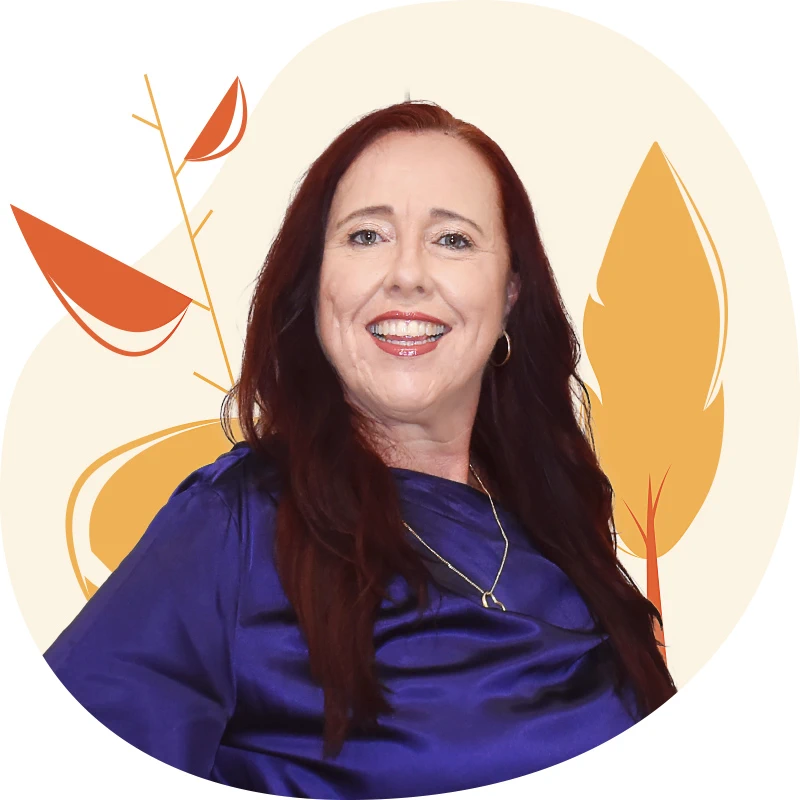
    Sue cosgrove zest again

    By Sue Cosgrove

    Founder of Zest Again
    Recent posts

    The Surprises We Don’t See Coming

    A new week begins, and I’m starting it with a full heart. Over the weekend, a Zesty reached out to share something that genuinely moved me. They’ve been following along with the 21‑Day Empathy Challenge — especially Days 8, 9, and 10, where we explore listening...

    Beginning the Week With Empathy in Motion

    As we step into a new week — and for many, a slower public‑holiday Monday — there’s a quiet opportunity to notice how we’re arriving. This feels especially meaningful right now because our 21‑Day Empathy Challenge has officially begun, and the group is already leaning...

    Reflection: The Quiet Skill That Shapes Safe, Sustainable Nursing

    Last week I had time to work alongside nursing students as they unpacked their placement experiences — the moments that stretched them, surprised them, unsettled them, and taught them something new about who they are becoming as future nurses. The reason I do this is...

    Holding Steady When the World Feels Heavy

    It feels like the world is carrying a lot right now. The ripple effects of conflict, war, displacement, and political tension are reaching into our homes, workplaces, and conversations. Even if we’re not directly affected, we feel the emotional aftershocks — the...

    Nurturing Our Energy: Why Empathy Needs Space to Breathe

    Welcome to April!!!! Time is very precious as it seems to be moving faster than I have ever been aware of before.  I know that this can be explained away by Neuroscience and I won’t bore you with that detail today. However, as we move through April, I will be thinking...

    Easter Is Approaching: A Gentle Invitation to Pause?

    As Easter approaches, many people turn toward familiar traditions, rituals, or celebrations. For others—like me—the meaning of this long weekend is less about religion and more about the rare gift of time. A small pocket in the year where the world slows down just...

    Celebrating the Completion of Our 21 Day Self Compassion Challenge

    Over the past three weeks, healthcare and education teams across Australia have taken part in something both brave and quietly transformative: a daily practice of self‑compassion. Today, we celebrate every person who showed up for this challenge—whether you completed...

    Workshops
    Compassion Satisfaction Program
    Compassionate Mentoring Program
    Individual Self-Compassion Subscription Program

    Ready to Elevate Your Team’s Well-Being?

    Discover how Zest Again can transform your workplace culture. Contact us today to get started!

    "
    Icon contact

    Contact us

    Get in touch

    Have a question or want to learn more about our programs? We’d love to hear from you!

    Icon phone

    Email us

    info@zestagain.com
    Icon email

    Call us

    0486 043 341
    Icon location

    Location

    Queensland, Australia