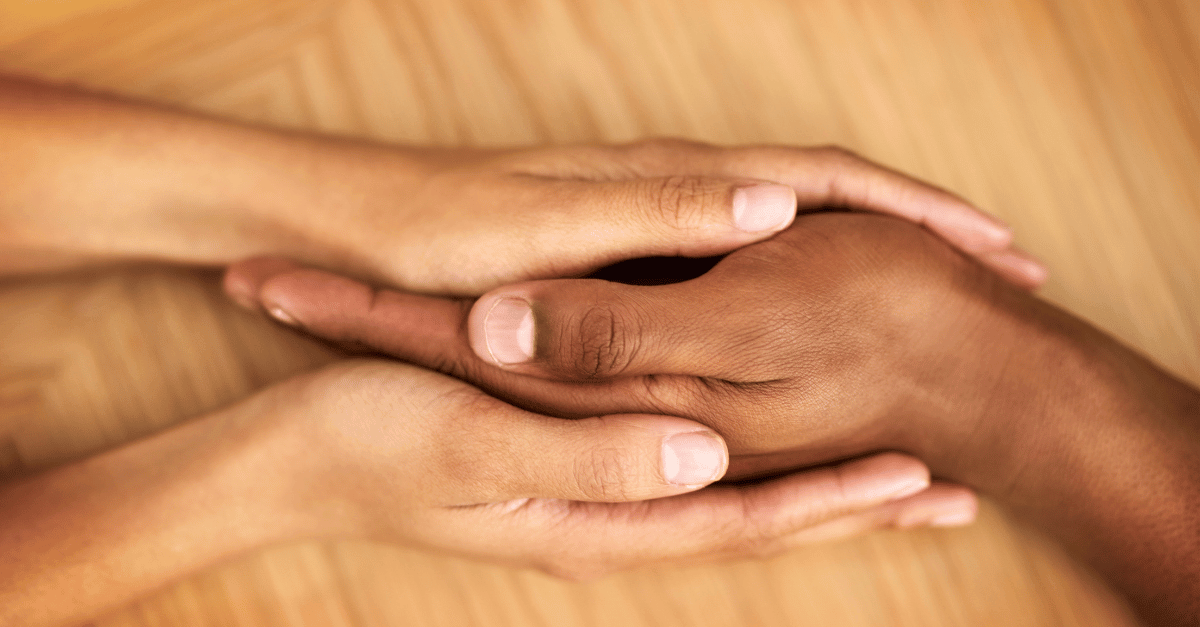
It feels like the world is carrying a lot right now. The ripple effects of conflict, war, displacement, and political tension are reaching into our homes, workplaces, and conversations. Even if we’re not directly affected, we feel the emotional aftershocks — the uncertainty, the grief, the sense that life has become more fragile and more complex.
And then there’s the media.
A constant stream of fear‑based headlines, outrage cycles, and worst‑case scenarios. It’s not that the suffering isn’t real — it absolutely is. But the way it’s delivered to us, hour after hour, can quietly shape our nervous systems. If we keep absorbing those messages without any filter, what does that do to our sense of hope, agency, or compassion?
Over the years, I’ve learned to build habits that help me filter what I take in. Not to ignore the world, but to stay grounded enough to respond to it with clarity rather than collapse. But even with good habits, there’s another challenge:
How do we hold onto positivity and steadiness without dismissing the people around us who feel overwhelmed, negative, or stuck in fear?
This is the tightrope many of us are walking.
Why This Matters
When times are tough, people cope in different ways. Some lean into pessimism because it feels safer than hope. Some become hyper‑vigilant. Some withdraw. Some talk endlessly about what’s wrong because naming the problem gives them a sense of control.
If we’re trying to stay grounded and hopeful, it can be tempting to avoid these conversations or distance ourselves from people who feel “too negative.” But empathy asks something more nuanced of us.
Empathy doesn’t mean absorbing someone else’s fear.
It doesn’t mean agreeing with their worldview.
And it definitely doesn’t mean sacrificing your own wellbeing to make space for someone else’s despair.
Empathy is simply the ability to say:
I see how hard this feels for you. I can understand why you’re overwhelmed.”
And then — quietly, respectfully — holding your own centre.
This is how we stay connected without being consumed.
Reflection Tip for the Week
Take a moment to notice your own patterns:
- How do you filter the media you consume?
Do you have boundaries, or do you absorb everything by default?
- How do you respond to people who are deeply negative or fearful?
Do you shut down, avoid, over‑function, or try to fix?
- What helps you stay compassionate without losing your own emotional footing?
This week, experiment with one small shift:
Stay present with someone’s feelings but stay anchored in your own perspective.
You don’t have to mirror their fear to honour their experience. You can listen with warmth while still choosing hope.
Empathy isn’t about matching someone’s emotional state — it’s about meeting them with humanity while staying true to your own.
Sign up to the ZestAgain 21 day Challenge if you want to learn more about your own Empathy.
Look after yourself – there is only one you!