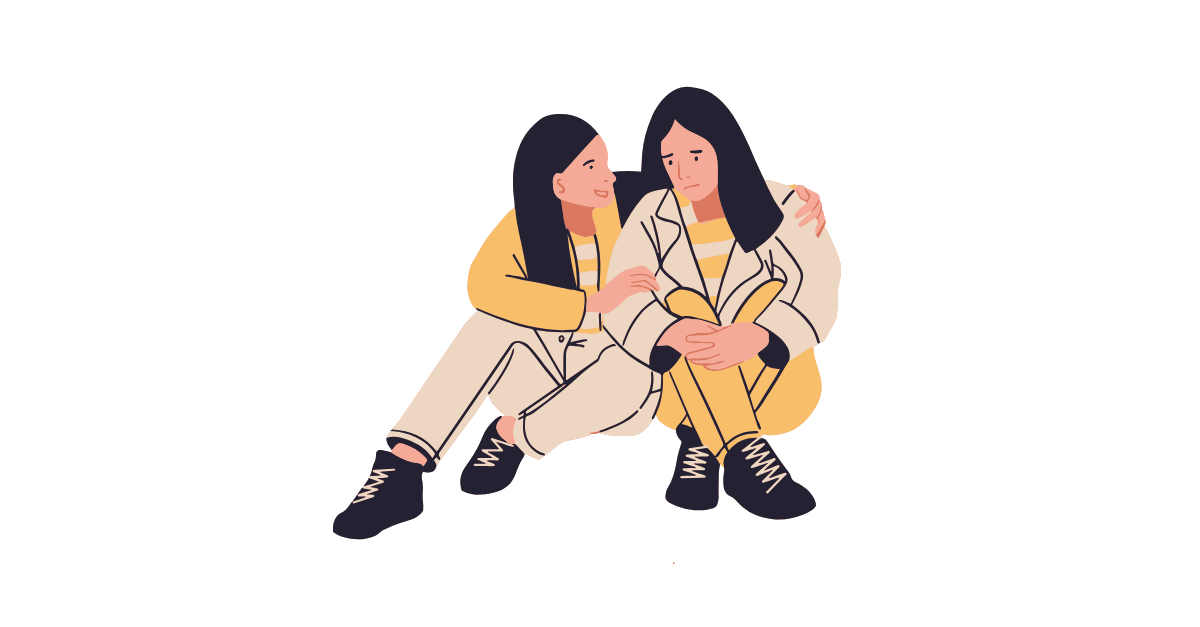
At ZestAgain we have stepped into the last week of the Empathy Challenge. This week is about shifting the way my community moves through the world. Over the past 18 days, Zesty’s have been pausing, noticing emotions, and listening to there whole body — three deceptively simple practices that quietly change everything.
Today, on Day 18, I have asked people to explore something many people in health and education rarely talk about:
Empathy is not one‑directional. It’s a two‑way flow.
Most of you reading this are exceptional at giving empathy. You listen deeply. You hold space. You steady the room. But receiving empathy — letting someone else see you, support you, or soften around you — can feel uncomfortable, unfamiliar, or even unsafe.
When you give without allowing yourself to receive, something predictable happens:
- exhaustion,
- frustration,
- disconnection,
- and a quiet loneliness that’s hard to name.
Why receiving empathy feels hard
In caring professions, people want your time, your steadiness, your understanding. You’re trained to prioritise others. You’re rewarded for coping, for pushing through, for being the one who “has it together.”
So you adapt. You become task‑focused. You make yourself busier. You self‑soothe through scrolling, food, wine, or late‑night overthinking. You stay in motion because slowing down might reveal how much you actually need support.
These are not flaws. They’re protective strategies — clever ones — but they block the very empathy that would replenish you.
How to notice you’re blocking empathy (do you notice any of these habits in yourself?)
You might recognise yourself in one of these patterns:
- You brush off concern with “I’m fine” even when you’re not.
- You change the subject when someone asks how you are.
- You feel uncomfortable when someone offers help or kindness.
- You stay in “doing mode” to avoid feeling.
- You feel irritated when others need you, because your own tank is empty.
- You numb out with busyness, scrolling, or snacks instead of pausing.
These are signs your system is saying, “Receiving feels risky.”
What it looks like to let empathy in
Letting empathy in doesn’t require a grand gesture. It often starts with one small shift:
- Pausing long enough to feel your own emotion.
- Letting someone finish their sentence before you reassure them you’re okay.
- Saying, “Actually, today has been a bit much.”
- Allowing a colleague to make you a cup of tea.
- Accepting a moment of understanding without deflecting it.
These micro‑moments matter.
They soften your nervous system. They reconnect you to your own humanity. They make your work — and your relationships — lighter.
A gentle invitation for your week
As you move through the next few days, keep your Empathy Challenge practices close:
Pause. Notice your emotions. Listen with your whole body.
And then add this question:
Where can I let empathy in today?
Maybe it’s from a colleague, a friend, a partner, or even from yourself.
Maybe it’s simply allowing a moment of kindness to land instead of brushing it away.
Empathy is a shared space — not a solo performance.
You deserve to stand in that space too.
Wishing you a grounded, connected, wonderfully human week ahead.